Laserbeam: A Modern Sans Serif Font for Editorial Design
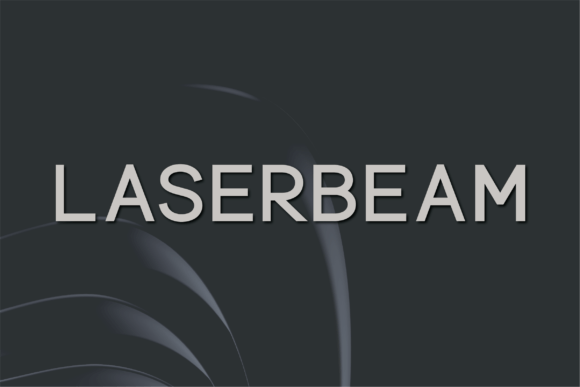
Laserbeam is a versatile, modern, and classy sans serif font that bridges the gap between digital clarity and print elegance. For publishers, bloggers, and editorial designers, selecting the right typeface is not merely an aesthetic choice; it is a fundamental decision that dictates how readers engage with content. Whether you are designing a lifestyle blog header, crafting a high-conversion newsletter, or laying out a premium ebook, the typography you choose sets the tone for the entire reader experience. Laserbeam stands out in the crowded marketplace of fonts by offering a clean, contemporary look that remains highly readable across various mediums, from mobile screens to glossy magazine spreads.
Elevating Magazine Covers and Blog Headers with Laserbeam
When working with Laserbeam, the immediate impact is its ability to command attention without overwhelming the layout. As a sans serif typeface, it lacks the decorative feet of traditional serifs, which allows it to feel open, accessible, and distinctly modern. This makes it an ideal candidate for magazine covers and blog headers where space is often at a premium and visual hierarchy is critical. The clean lines of Laserbeam ensure that titles pop against busy background images, a common scenario in digital publishing and social media graphics.
For editorial designers, the versatility of Laserbeam means it can handle both heavy, bold statements for main headlines and lighter weights for subheadings. This flexibility supports a structured layout that guides the eye naturally down the page. When used in conjunction with other design assets, Laserbeam helps establish a strong brand identity. It communicates professionalism and clarity, two traits that readers subconsciously associate with trustworthy content. By integrating this font into your header designs, you create a consistent visual language that readers begin to recognize and trust across different platforms.
Creating Elegant Wedding Invitations and Event Branding
While many assume that sans serif fonts are strictly corporate or minimalistic, Laserbeam proves that modern typography can also be warm and inviting. Its classy demeanor makes it surprisingly effective for wedding invitations, event programs, and sophisticated stationery. In the context of wedding design, the goal is often to balance tradition with contemporary style. Laserbeam achieves this by offering a neutral yet refined presence that pairs beautifully with delicate floral illustrations or minimalist geometric borders.
Using Laserbeam for invitations allows for excellent readability, which is crucial when conveying important details like dates, times, and locations. Unlike overly ornate script fonts that can sometimes sacrifice legibility for style, Laserbeam maintains clarity at various sizes. This ensures that your guests can easily read the essential information without straining their eyes. Furthermore, when used in event branding, such as signage or digital save-the-dates, the font’s modern appeal signals a fresh, updated approach to celebration design. It appeals to couples and event planners who want a look that feels current and chic rather than dated or overly formal.
Designing High-Conversion Quotes and Social Media Graphics
In the world of content marketing, quote graphics are a powerful tool for engagement. Laserbeam excels in this niche due to its balanced proportions and clean aesthetic. When creating shareable images for Instagram, Pinterest, or LinkedIn, the text must be instantly readable on small screens. Laserbeam’s structure ensures that even short, punchy quotes remain legible and impactful. The font’s modern personality aligns well with the fast-paced nature of social media, where users scroll quickly and stop only for visually striking content.
For bloggers and content creators, using Laserbeam in quote layouts can enhance the perceived value of the post. It adds a layer of professional polish that distinguishes your graphics from amateur designs. The font works particularly well when paired with ample white space, allowing the words to breathe and resonate with the audience. Whether you are sharing inspirational thoughts, business tips, or literary excerpts, Laserbeam provides a neutral canvas that lets the message shine. This versatility makes it a go-to choice for creators who need a reliable typeface for frequent social media updates.
Optimizing Readability in Ebooks and Digital Guides
Readability is paramount in long-form content such as ebooks, digital guides, and online courses. While Laserbeam is often used for headings, its clear character shapes also make it suitable for short bursts of body text or pull quotes within these documents. For publishers creating PDF lead magnets or printable worksheets, the font’s crisp edges ensure that text remains sharp when exported to print or viewed on high-resolution tablets. This attention to detail enhances the user experience, making your digital products feel premium and well-crafted.
When designing chapter openers or section breaks in an ebook, Laserbeam can serve as an effective display font. It creates a visual pause that helps readers navigate through the content. By using Laserbeam for titles and subtitles, you establish a clear hierarchy that aids comprehension. Readers can quickly scan the document to find relevant sections, improving the overall utility of your guide. Additionally, because Laserbeam is a sans serif font, it tends to render well on various devices, reducing the risk of pixelation or blurring that can occur with more complex typefaces on lower-quality screens.
Strategic Font Pairing for Editorial Layouts
No font exists in isolation, and the true power of Laserbeam is revealed when it is paired with complementary typefaces. For editorial layouts, a common and effective strategy is to pair Laserbeam with a classic serif font for body copy. This combination leverages the modern authority of the sans serif heading with the traditional readability of the serif text. The contrast between the two styles creates visual interest and helps distinguish different levels of information. For example, you might use Laserbeam for article titles and captions, while relying on a serif font for the main narrative.
Alternatively, pairing Laserbeam with another clean sans serif can create a ultra-modern, minimalist aesthetic suitable for tech blogs or contemporary magazines. In this scenario, varying the weights and sizes of Laserbeam becomes crucial to maintain hierarchy. Bold weights can be used for primary headlines, while regular or light weights can serve for secondary information. Understanding these pairing dynamics allows designers to create cohesive and engaging layouts that keep readers interested. Laserbeam’s neutrality makes it a flexible partner in these typographic relationships, adapting to the mood of the accompanying font without clashing.
Licensing and Commercial Use for Content Creators
For professional publishers and designers, understanding licensing is as important as aesthetics. Laserbeam is designed for versatile use, making it a valuable asset for commercial projects. Whether you are creating paid newsletters, client publications, or digital downloads for sale, ensuring you have the appropriate commercial license is essential. This font supports a wide range of applications, from logo design to packaging, allowing brands to maintain consistency across all touchpoints. By investing in a high-quality font like Laserbeam, you protect your brand identity and ensure that your materials look professional and polished.
When incorporating Laserbeam into your workflow, consider checking for included styles, alternates, and multilingual support to maximize its utility. These features can add subtle uniqueness to your designs, preventing them from looking generic. For instance, using specific ligatures or alternates in a logo can create a custom feel that sets your brand apart. Ultimately, Laserbeam offers a blend of functionality and style that meets the demands of modern editorial design. It is a tool that empowers creators to produce beautiful, readable, and engaging content that resonates with their audience.